We can’t see what’s hiding on the other side of the piping in our homes. That’s why so many sewer line issues aren’t detected until they become big problems. Hidden sewer line issues can fester for years before a homeowner finally sees a backup or leak that makes them panic.
Luckily, camera inspections can uncover issues in their earliest stage for faster, cheaper fixes. Sewer line cameras get into spaces the human eye can’t reach. Come learn why it’s worth considering an inspection at your home.
Quick Takeaways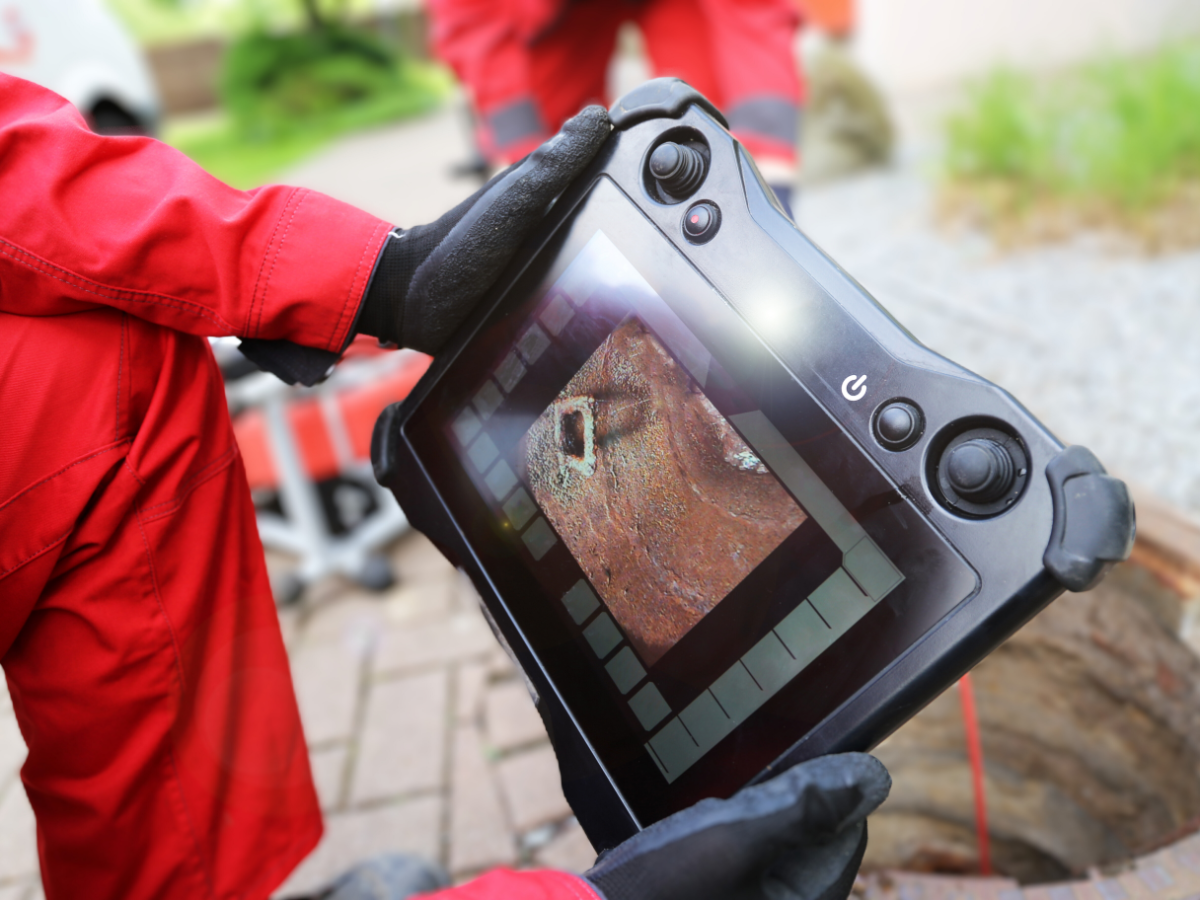
- Camera sewer inspections let us see into sewer lines without digging or excavation.
- Issues like backups and leaks that cause property damage and costly repairs can be caught early.
- There’s no better way to catch problematic tree roots, cracked pipes, or sagging pipes than a camera inspection.
- Don’t ignore warning signs of sewer line issues because you could be heading toward a complete failure.
- Professional inspections can help you detect issues fast and early for the right repairs.
1. Tree Root Intrusion
Tree roots that grow for decades can eventually displace the sewer lines leading to your home. As they grow and expand, roots can enter small pipe openings in your system. Over time, they expand until they effectively break your sewer lines
2. Cracked Sewer Pipes
Things like age, heavy surface loads, and the soil shifting in your yard all put pressure on your pipes. This eventually causes cracks that displace water.
3. Collapsed Sewer Lines
Many homeowners aren’t aware that sewer lines can actually cave in. This happens when your system’s main underground pipe succumbs to pressure or wear and tear.
While some collapsed sewer lines are the results of dramatic cave-in events, others simply happen because your sewer line crumbles. The aftermath can include backed-up wastewater and sewage backing up into your home or yard.
4. Sewer Line Bellies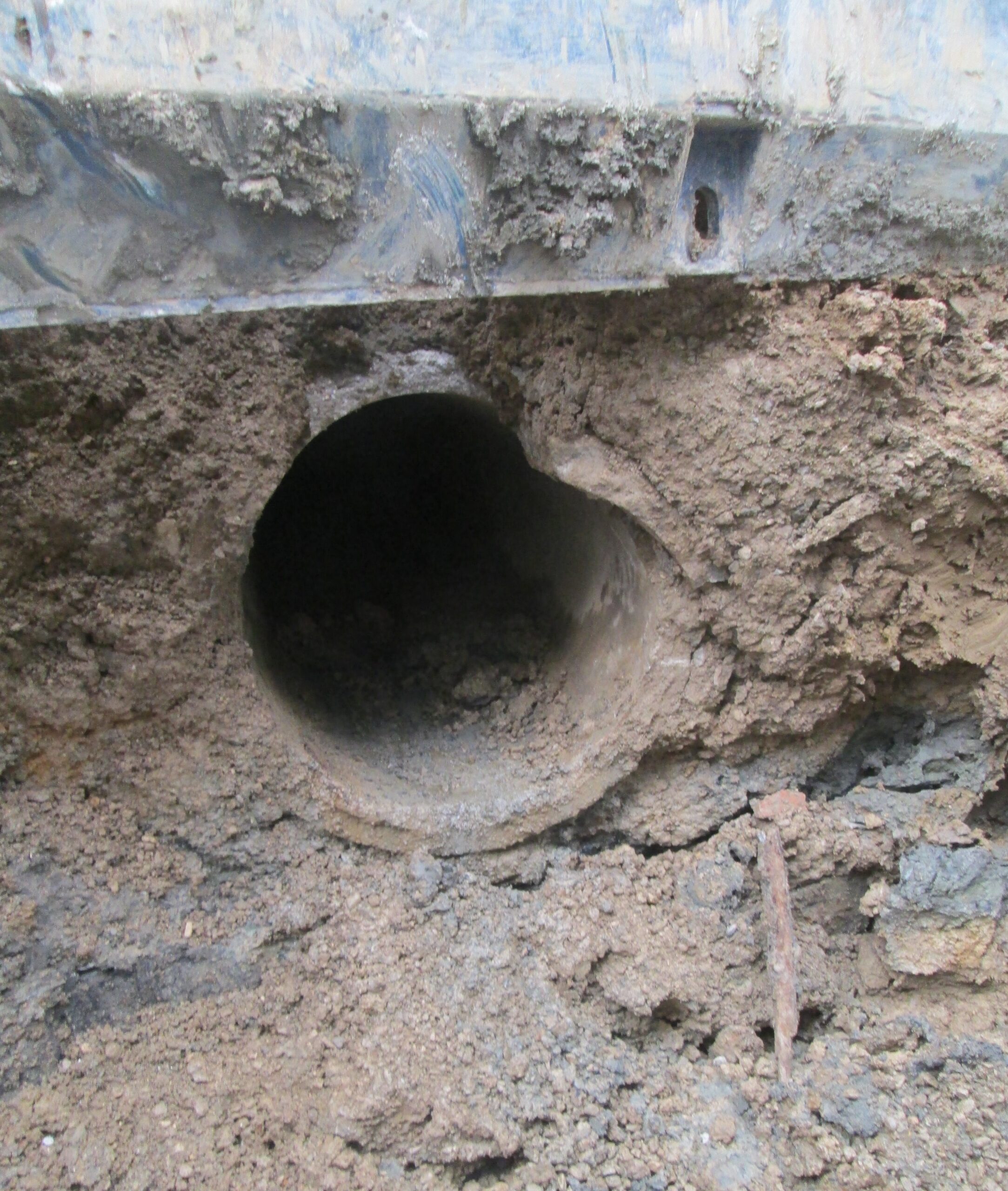
A sewer line belly happens when a portion of your piping sags or dips. At this point, the pipe is dropping below the slope of the overall sewer line. It will catch solid waste and experience clogging when it pools in a low spot.
The reason why sewer bellies are fairly common is that sewer lines are actually not pressurized. They need the right downward pitch to remain clean.
5. Grease and Debris Buildup
Grease and debris that get flushed from homes will eventually build up in pipes. This can happen over the course of years or decades.
All of the particles that build up within piping eventually narrow your pipes. The result is persistent clogging or a general “slimy” feeling to the water that comes out of the pipes.
6. Offset or Separated Pipe Joints
The soil on your property is constantly moving. Over time, the force of moving soil can actually begin to shift piping that’s part of the sewer line. These shifts can change the positioning of the pipes to create flow restrictions that make it harder for water to move through your sewer line.
7. Corroded Sewer Pipes
Many older sewer systems around the country actually suffer from severe corrosion. This means that the pipes are deteriorating or disintegrating because of soil acidity, erosion, and household cleaning products that get flushed down drains.
Iron and clay plumbing are the most vulnerable. The result can be leaks, blockages, and full collapse.
8. Foreign Objects Stuck in the Line
Items don’t vanish just because they get flushed down the toilet or slipped down the drain. They can end up causing serious clogs inside sewer lines.
The most common items that accidentally find their way to sewer lines include personal hygiene products, wipes, cotton balls, Q-tips, dental floss, toothbrushes, dental appliances, jewelry, children’s toys, and thick cooking greases.
9. Hidden Blockages Causing Recurring Drain Problems
Any item or cluster of buildup within a sewer line can cause drain problems. While some clogs happen instantly, others build up over years before you notice your drain backing up. There’s often no way to tell what’s behind the blockage because you cannot get a good look using the naked eye and snaking tools alone.
Camera inspections provide visual clarity right at the source of the clog or backup to help you pinpoint the cause. From there, you can find the most effective way to extract the clog to restore a consistent, safe flow.
When Should You Schedule a Sewer Camera Inspection?
There are some telltale signs that homeowners shouldn’t ignore. Call a professional for a sewer camera inspection if you’re home is being plagued by the following:
- Frequent drain clogs that leave pooling water in your sinks, showers, tubs, or toilets.
- Multiple slow drains in your home.
- Sewer odors coming up from your sinks.
- Gurgling toilets.
- Recurring backups.
- Older sewer systems that haven’t been updated or maintained.
Why Sewer Camera Inspections Matter Before Sewer Line Repair
It can feel like symptoms of a sewer line backup can overtake your home with pooling water and odors. However, the root cause remains invisible. This can make fixing the problem impossible.
When you bring in a plumber to accurately diagnose the source using a sewer line camera, you can identify the source without unnecessary excavation that makes a mess of your home and yard. Plus, the accuracy of the diagnosis allows your plumber to recommend the most effective repair option.
FAQ
What is a sewer camera inspection?
Sewer camera inspections use a high-definition waterproof camera to look into your home’s sewer line or main drain to see below the surface without digging.
Can a sewer camera inspection find every sewer problem?
Camera sewer line inspections dramatically increase a plumber’s ability to find the cause of your sewer problem. However, the visual you’re getting is only inside the pipe. Issues happening outside the pipe may not be detectable.
How long does a sewer camera inspection take?
Most sewer line inspections take about an hour.
Is a sewer camera inspection worth it before buying a home?
Yes, homebuyers are increasingly adding sewer line inspections to home inspections to avoid getting stuck with expensive plumbing problems that can’t be seen on the surface.
Will a sewer camera inspection require digging?
No, there is no digging because your plumber will deploy the camera from an existing pipe or fixture in your home. However, fixing the issue after it’s diagnosed could require digging.
Save Your Pipes With a Camera Sewer Line Inspection in Bradenton, FL
 Your sewer suspicions aren’t going to get better on their own. Backups, gurgling, and smells require a professional camera inspection to uncover what’s really going on. Homeowners who make this choice have a big opportunity to identify the cause before a small issue turns into a big, expensive repair.
Benjamin Franklin Plumbing provides expert sewer line inspection and repair services throughout Bradenton and surrounding communities. Our team’s advanced diagnostic and friendly service make taking care of the problem feel good.
Don’t live another day worried about your sewer line! Contact Benjamin Franklin Plumbing today to discover why homeowners trust the Punctual Plumbers for dependable sewer line repair in Bradenton, FL.