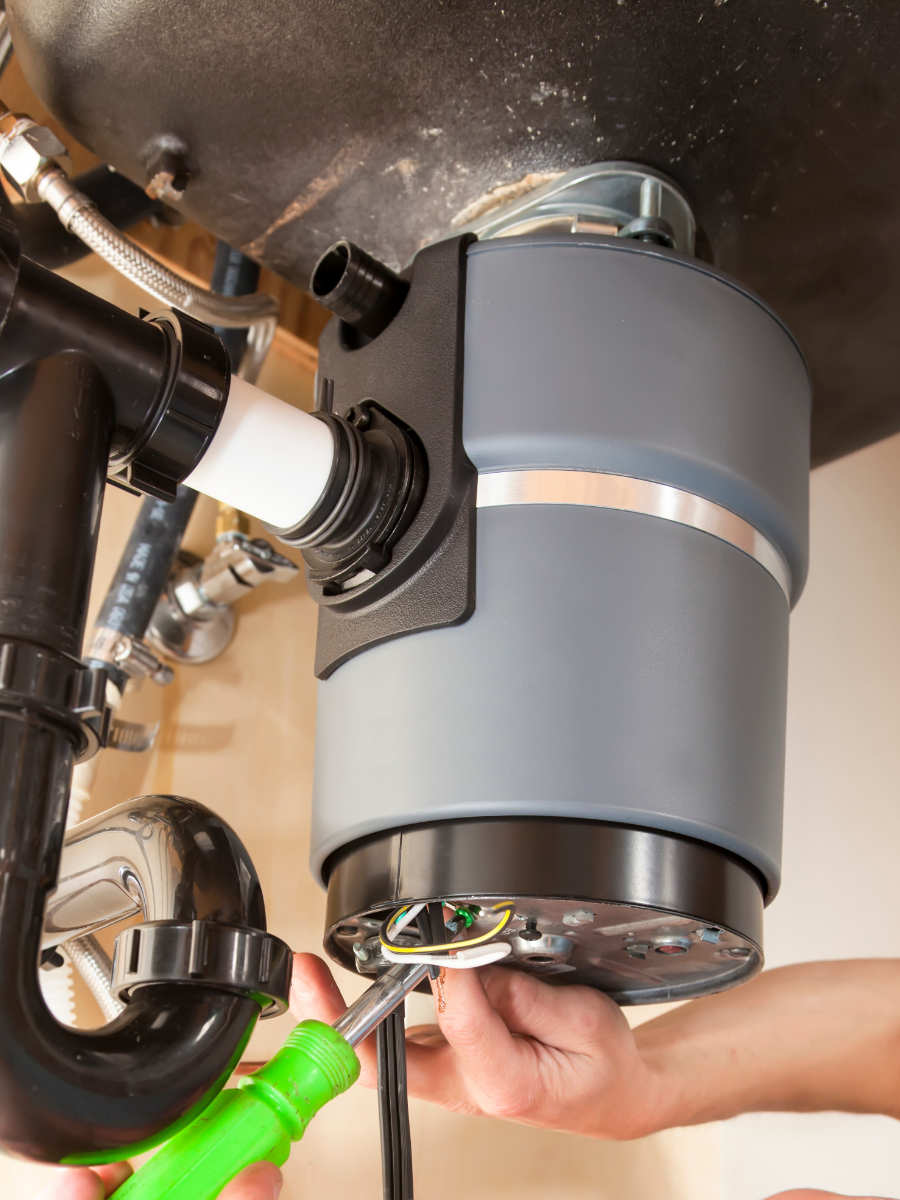
 You become accustomed to your garbage disposal keeping kitchen odors at bay and turning a large amount of food waste into a much smaller volume. This appliance can be expensive, so you ideally want to address problems with it early and keep it running for as long as possible. Plus, as the issues worsen, they tend to become more expensive to fix.
Watch for these signs that it’s time to schedule professional garbage disposal repair.
Quick Takeaways
- Problems usually start with minor warning signs.
- Frequent jams, leaks, and strange noises shouldn’t be ignored.
- Sometimes, only a simple repair is necessary.
- You may want to replace older disposals that have multiple issues rather than repair those units.
- Getting professional repairs can restore performance and help prevent plumbing problems.
1. Your Garbage Disposal Hums but Doesn’t Spin
Normally, when you turn on your garbage disposal, it makes a steady grinding or humming noise, with slight variations based on the type of food you put in it. However, if you’re hearing a humming noise and the grinding plate isn’t spinning, you could have a jammed flywheel.
Stop using the disposal once this begins happening because you could risk overheating it. A professional can remove whatever is holding up the flywheel to let it spin freely again.
2. It Frequently Gets Jammed
Occasionally, your disposal may jam from hard foods, or an item might go down that shouldn’t have, such as silverware. If you’re noticing your unit is jamming frequently, it could mean you have food buildup or worn grinding components. You may also have someone in your family who’s been — whether accidentally or intentionally — sticking non-food items down the disposal.
3. Water Leaks Under the Sink
Are you noticing water around the top edge of the disposal? Maybe it’s dripping down the sides or leaking whenever the water is running in the sink.
These leaks could be coming from loose mounting rings, a worn or damaged gasket, a failed putty seal, or poor installation.
Your drain elbow — the pipe attached to the side of the disposal — could loosen from the vibrations during use. Worn rubber gaskets, loose slip nuts, or damaged hose connections may also be the reason water is escaping from your garbage disposal system.
Due to age, the impact of a heavy object, or corrosion, the housing on your unit could crack and cause leakage.
Sometimes, the best — and only — solution is to replace the entire disposal, like when the housing is cracked or severely corroded. Once the internal seals have failed and replacing or tightening the connections no longer fixes the unit, it’s in your best interest to purchase a new one.
4. It Makes Loud or Unusual Noises
Although your system may be loud when in use, listen for non-standard operating noises when it’s running, such as grinding, rattling, or metal-on-metal sounds. These could signify a problem. For instance, if you hear a rough or harsh grinding noise, you could be placing items that are too large in your disposal.
A rattling noise may indicate you have a damaged impeller or grinding plate. Worn components or loose mounting hardware could also cause this noise.
A metal-on-metal sound could mean you have a metal object stuck in your disposal, damaged grinding components, or worn internal parts rubbing together. Even a loose component moving inside the system may cause this sound.
Most of the time, these issues are repairable, though motor problems or certain internal component damage require a replacement.
5. It Won’t Turn On
The most common causes of a unit that won’t turn on include a tripped reset button, electrical issues, or a failed motor. A tripped reset button may just require you to fix the cause and reset the disposal.
Electrical issues are a bit more complicated. Sometimes, they’re easily fixable. You may need a new disposal, especially if the motor fails or the electrical problems are extensive.
6. Water Drains Slowly
Your disposal and drain system work together. Once you grind the food, the water carries it through your pipes.
However, as food scraps, grease, and soap residue build up, they can prevent the flow of water. While it can be caused by a clogged drain, it could also be from a mechanical issue, a partial jam, or worn grinding components, preventing the disposal from grinding scraps effectively.
Since these two systems are connected, you should have both evaluated when water is draining slowly. A professional can determine the cause of the problem accurately.
7. Bad Odors Won’t Go Away
You may notice foul odors emanating from your unit when you dispose of something with a strong odor, like fish. However, once you run the disposal and flush the system with water, the smell dissipates.
If the unpleasant scent isn’t going away, you could have food buildup in your system.
Or it could indicate a more serious problem, such as:
- A clogged drain line
- Mold growth
- Mildew growth
- Drain or sewer line problems
8. It Doesn’t Grind Food Properly
When your disposal isn’t grinding food as well as it should, you may be repeatedly overloading it. It’s also possible that your motor is losing power or the grinding components are worn. Ultimately, these concerns can contribute to recurring clogs and slow drainage.
9. It’s More Than 10 Years Old
On average, a disposal lasts eight to 15 years. Once it reaches the 10-year mark, you may find it’s a better idea to replace your system rather than repair it. This is especially the case if your disposal is used often, or you frequently put grease or hard items like bones down your system.
Another factor to consider is how many issues your unit is having. When multiple problems are happening in an older system, it may be more cost-effective to replace the disposal.
Should You Repair or Replace Your Garbage Disposal?
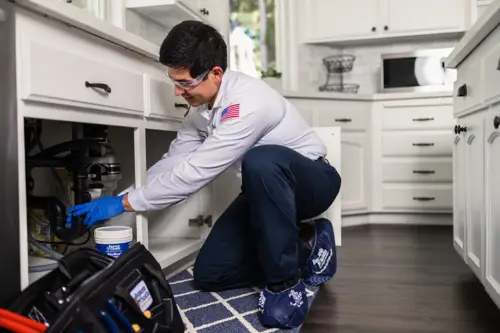 You’ll want to keep in mind your unit’s age versus the cost of repairs. Consider if you’ve had to repair it in the past and how many times.
When you have a professional look at your disposal, ask them about the condition of the motor. If the motor is in poor shape, it’s best to buy a new one because you’re going to have costly problems in the future.
Some leaks are simple fixes, but if the water is coming from the housing, you won’t be able to repair it. In this case, you’ll need to replace the unit.
During the decision process, factor in the overall reliability of the disposal.
Frequently Asked Questions
Whether you still have questions or are skimming to find the information you’re looking for, these FAQs can assist.
How long should a garbage disposal last?
Typically, your unit will last eight to 15 years, with higher-quality disposals lasting 20 years or more. To achieve the maximum lifespan of your disposal, maintain it properly and repair it promptly.
What is the most common garbage disposal repair?
Clearing a jam is the most common repair. Because a disposal does such heavy-duty work and food travels through it regularly, jams are possible. These may require professional garbage disposal repair.
When should I replace my garbage disposal instead of repairing it?
Replace your system if it’s older than 10 years or has been repaired a number of times. Consider how the price to repair it compares to the cost of a new one.
Restore Your Garbage Disposal Before Small Problems Get Worse
 At Benjamin Franklin Plumbing, we offer garbage disposal repair to Bradenton, FL, and the surrounding area. Our knowledgeable team will repair your disposal whenever possible, so you get the most value from your current unit.
And our home service company doesn’t just consist of punctual plumbers. We’re “The Punctual Plumber,” highlighting our commitment to getting to you promptly, especially when a vital component of your kitchen is giving you trouble. By reaching out to us when the problems are minor, you can prevent them from getting worse.